

50 years of Europe-ACP relations: key dates and milestones
From the Treaty of Rome to the entry into force of the EPAs, the main stages in relations between the European Union and the African, Caribbean and Pacific countries.
Translated from French. Lire en français
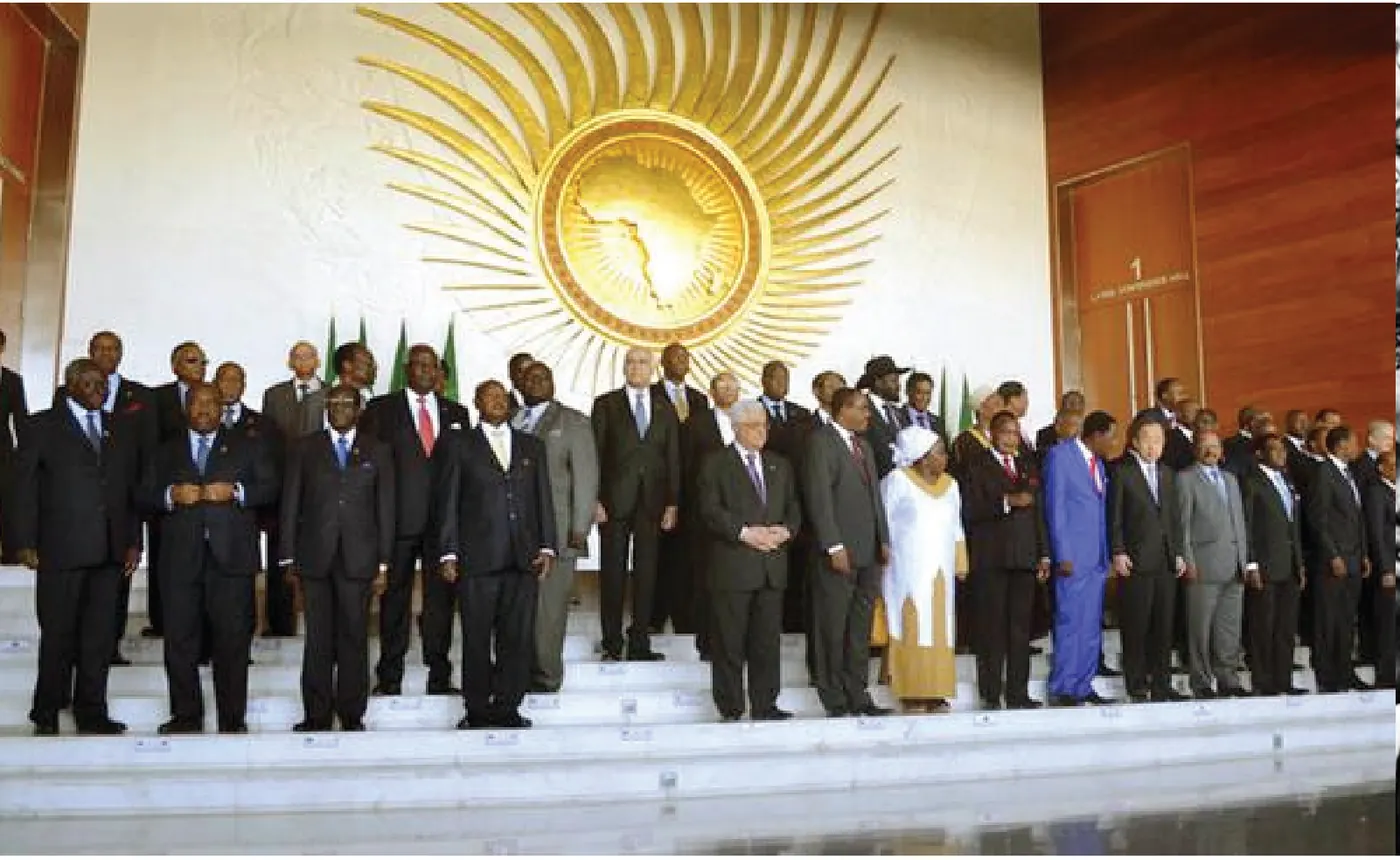
- 1957 — Treaty of Rome. Creation of the European Economic Community (EEC, six states).
- 1958 — First European Development Fund. Set up after the Treaty of Rome to finance the development of overseas countries and territories.
- July 1963 — Yaoundé I Convention. Europe grants trade preferences to the 18 associated African states and Madagascar (AASM). Contractual political and trade relations begin.
- July 1969 — Yaoundé II Convention. Extends and develops the provisions of Yaoundé I.
- February 1975 — Lomé I Convention. EU-ACP institutions created (9 European states, 46 ACP states). Non-reciprocal preferences; creation of the export earnings stabilisation system (Stabex).
- June 1975 — ACP Group founded in Georgetown (Guyana). The group gets a general secretariat.
- October 1979 — Lomé II Convention. The ACP group now has 57 states. Priority to food self-reliance.
- December 1984 — Lomé III Convention. 65 ACP states, 10 European states; food self-sufficiency and security. First human rights clause.
- 1990 — Lomé IV Convention. 65 ACP states, 12 European states; stronger political cooperation; aid can be suspended. Ten-year term with a mid-term review.
- 1995 — Lomé IV bis. 70 ACP states, 15 European states; emphasis on decentralised cooperation and civil society.
- December 1996 — Green Paper. The European Commission publishes a review, outlook and future scenarios for EU-ACP relations.
- June 2000 — Cotonou Partnership Agreement. Ratified by 77 ACP states and the 15 EU members.
- February 2005 — Revision of the Cotonou Agreement. Agreement reached after nine months of negotiations on the arms trade, the volume of development aid and the International Criminal Court.
- 1 January 2008 — Interim agreements. The EU offers individual interim agreements to African states, including a commitment to keep negotiating towards a full agreement covering services liberalisation and new rules on the so-called Singapore issues from the WTO conference.
- 2009 — EPA negotiations. Talks continue at regional level to extend the agreements to defined regions, or to broaden their scope beyond goods — services, investment, intellectual property and the other Singapore issues (competition, public procurement and trade facilitation) — to reach so-called “comprehensive” agreements.
- 2013-2014 — EPAs signed. After years of negotiations, African regional economic communities, or some countries individually, sign the EPAs.
- 1 October 2014 — EPAs enter into force.
Published in Logone Inside N°04, p. 10See the page in the magazine →
- Published on:
- Wednesday, 1 October 2014
Related articles

Special report
Zara Mahamat Issa, a woman of heart serving her nation
Minister of Social Action, Solidarity and Humanitarian Affairs, she brings her field experience in humanitarian work to the service of the most vulnerable.
Special report
Zara Ibrahim Mahamat Itno, excellence in financial governance
President of Chad’s Court of Auditors since 2024, she champions budget transparency and good governance.
Special report
Tomboye Ibrahim Mahamat, a visionary at the forefront of tech innovation
Telecoms engineer, deputy managing director of Safitel Chad and director of domain names and IP addresses at ADETIC.

Special report
Schiphra Nadjimaïdjé, a woman devoted to her community
National director of the Dieu Bénit Foundation, she has worked for more than twenty years for education, women’s empowerment and orphans.