

Chad in the era of gender promotion
Parity ordinance, laws against violence, girls’ education: an analysis of legislative progress and persistent challenges.
Translated from French. Lire en français
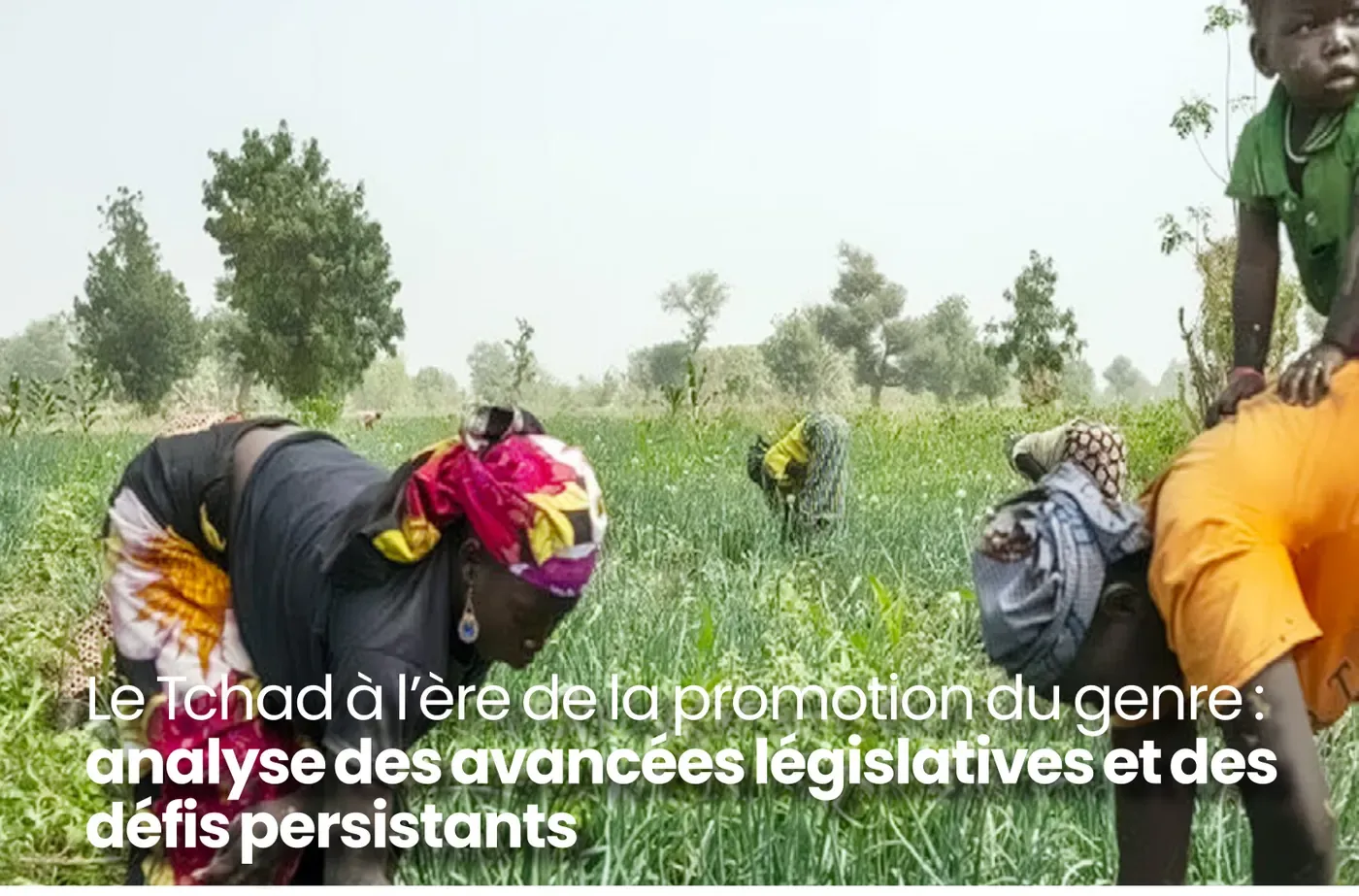
The adoption by the United Nations in 2015 of the 2030 Agenda for Sustainable Development marked a turning point for global efforts on gender equality and inclusive development. Among the 17 Sustainable Development Goals (SDGs), SDG 5, “Achieve gender equality and empower all women and girls”, holds a central place.
This goal recognises that gender equality is not only a fundamental human right but also an essential condition for achieving the other goals on education, health, economic prosperity and peace. Chad is no exception: the country has made huge strides on gender equality.
Like many African countries, Chad is engaged in a process of social transformation to strengthen equality between women and men and promote women’s rights. In recent years, the government has made notable efforts to reduce discrimination through legislation and reforms. The parity ordinance, laws against gender-based violence and efforts to improve girls’ access to education reflect strong political will. Yet despite this progress, gender issues in Chad are still marked by structural and cultural challenges that hinder the effective implementation of these reforms.
Clear political will: Ordinance No. 001/PR/2018 on parity
One of the government’s flagship gender measures is Ordinance No. 001/PR/2018 on parity in appointed and elected positions. Enacted in 2018, its Article 3 sets a quota of 30% women in decision-making bodies — public administration, state-owned companies and public institutions, the National Assembly and Senate, local assemblies, chambers and professional bodies — to rise gradually towards parity. The measure aims to correct historical inequalities that long kept women out of power.
Under the leadership of Marshal Mahamat Idriss Deby Itno, the country appears to be undergoing a major socio-political transformation in the era of the Fifth Republic. The progress goes beyond words and shows in concrete, encouraging figures: 32.43% women in government and 34% in the National Assembly.
These figures place Chad among the African countries working to improve women’s representation in political institutions. By comparison, the global average share of women in national parliaments was about 26.9% in 2023, according to the Inter-Parliamentary Union. Chad is therefore well above the world average, reflecting political momentum for gender equality and strong will at the highest level. This helps break glass ceilings and sends a powerful message: women are no longer spectators in politics but essential actors.
A historic step: a woman Minister of State
2023 will remain a landmark year for Chad and the Central African sub-region. The government made history by appointing a woman as Minister of State for the first time. Unprecedented in the country and rare in the sub-region, this sends a strong signal recognising women’s skills at the top of government.
According to recent studies on governance in Africa, women’s participation in decision-making positions remains low across the sub-region. With this initiative, Chad seems determined to buck the trend and show that gender equality is not a utopia but a reality under construction. Beyond the political act, it is a message to Chadian girls and women: they can aspire to the highest offices. The appointment could encourage neighbouring governments to follow suit.
Fighting gender-based violence: a stronger legal framework
In 2015, a law criminalising violence against women was adopted. It provides criminal penalties for perpetrators of physical, sexual or psychological violence and offers victims greater legal protection — a major step forward in a country where domestic violence and early marriage remain endemic.
On 21 January 2025, another milestone was reached when the President signed Ordinance No. 003/PR/2025, dedicated specifically to preventing and punishing violence against women and girls. It marks a major turning point in the fight against gender-based violence and affirms the government’s stronger commitment to protecting human rights.
Here too, the challenge lies in effective enforcement. Social traditions, lack of awareness of women’s rights and weak judicial structures undermine its effectiveness. Many women hesitate to file complaints for fear of reprisals or for lack of trust in the justice system.
Girls’ education: a central issue
Access to education for girls is another priority. Specific programmes have been put in place: free primary education for all children, schools built in rural areas, school supplies and hygiene kits distributed, campaigns against early marriage and teenage pregnancy, and community awareness of the importance of educating girls. These efforts have paid off: girls’ school enrolment rose from 67% in 2010 to 78% in 2020. Challenges remain, however, particularly in rural areas where traditional social norms still limit girls’ access to education.
The national gender policy
In 2017, the government also adopted a national gender policy to mainstream gender in all development policies and programmes. It rests on four pillars: promoting gender equality in education and training; increasing women’s participation in political and economic life; fighting gender-based violence; and improving women’s access to health services. The policy has strengthened coordination and mobilised financial and technical resources.
A mixed record
The Chadian government has undeniably made significant efforts to promote gender equality and strengthen women’s rights. Its legislative reforms show a political will for change. But this progress remains fragile and incomplete.
For it to have impact, the government must strengthen implementation mechanisms and invest in education and awareness. Gender is not just a matter of texts and laws: it requires a deep transformation of mindsets and social structures. The government has paved the way, but it is up to society as a whole to make gender equality a reality.
- Author:
- Zenaba Adoum
- Published on:
- Tuesday, 1 April 2025
Related articles
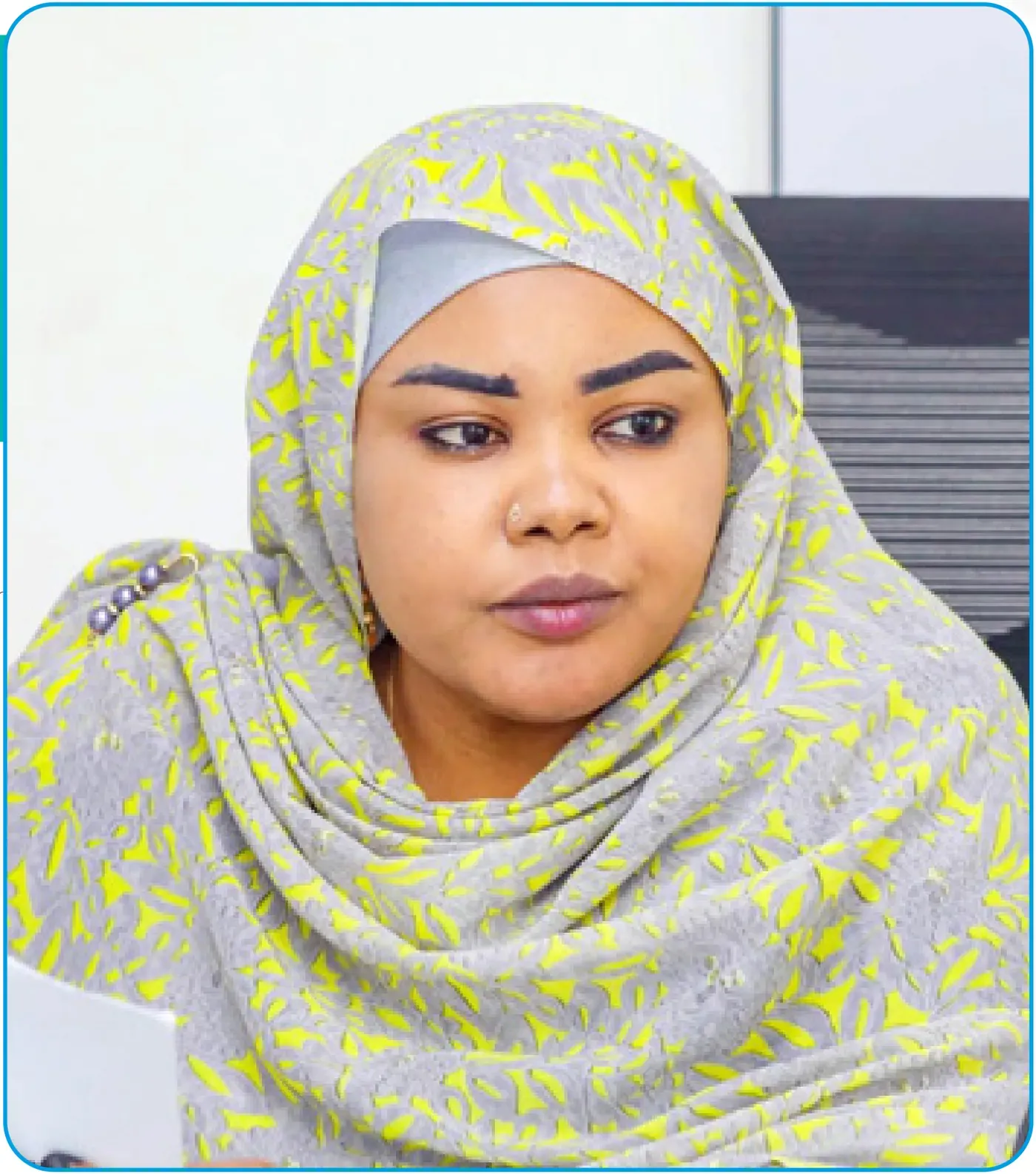
Zara Mahamat Issa, a woman of heart serving her nation
Minister of Social Action, Solidarity and Humanitarian Affairs, she brings her field experience in humanitarian work to the service of the most vulnerable.
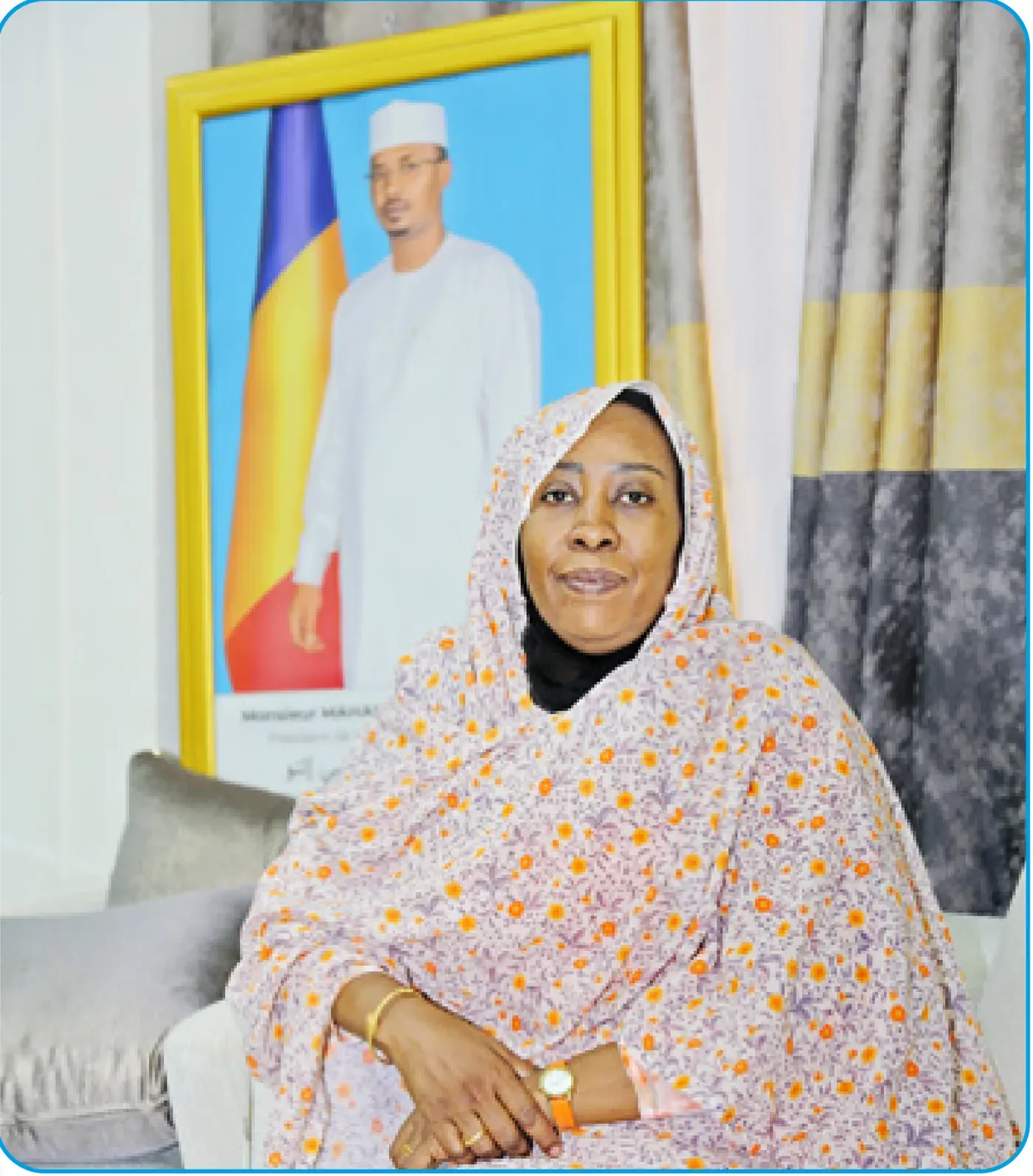
Zara Ibrahim Mahamat Itno, excellence in financial governance
President of Chad’s Court of Auditors since 2024, she champions budget transparency and good governance.
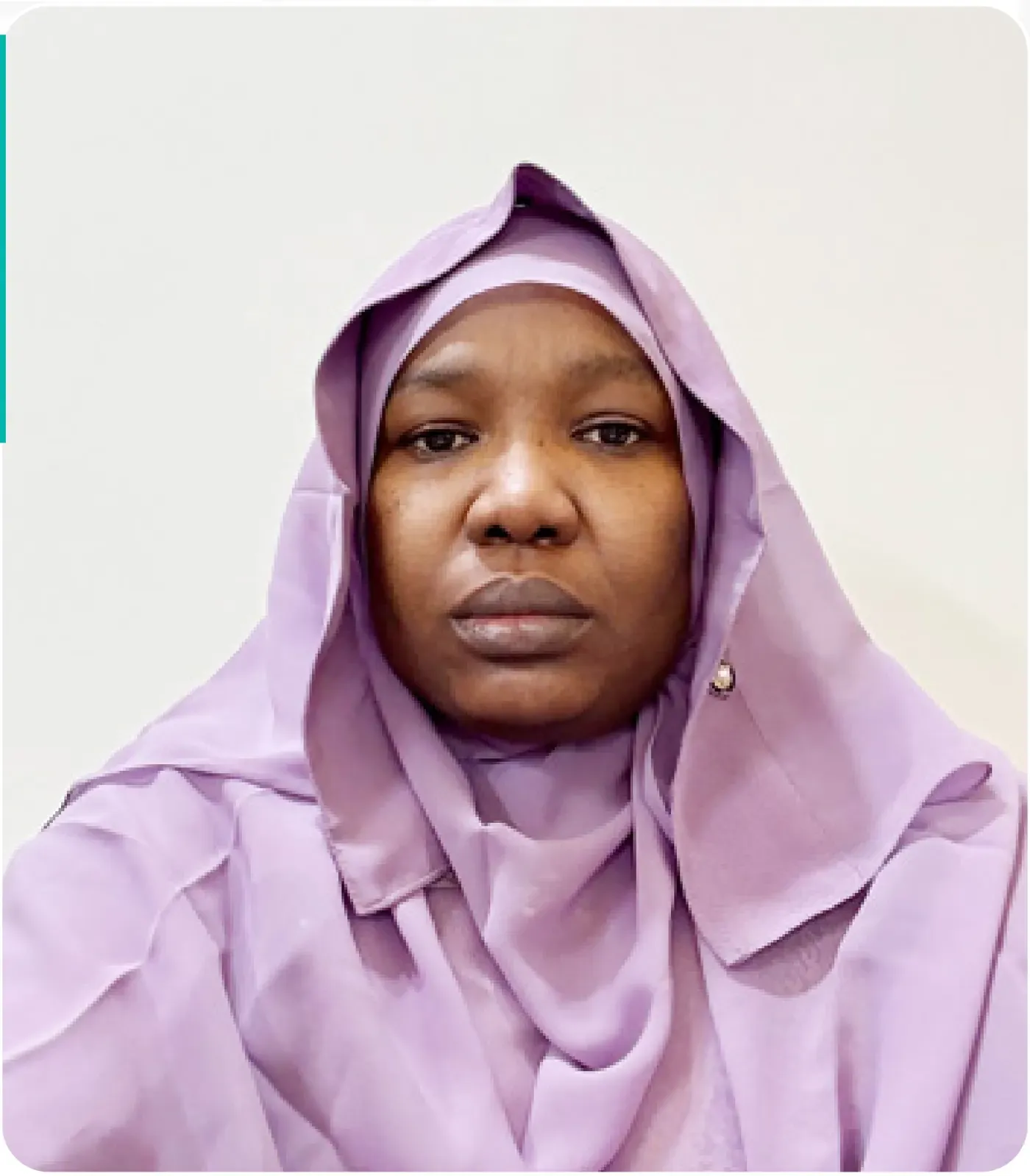
Tomboye Ibrahim Mahamat, a visionary at the forefront of tech innovation
Telecoms engineer, deputy managing director of Safitel Chad and director of domain names and IP addresses at ADETIC.
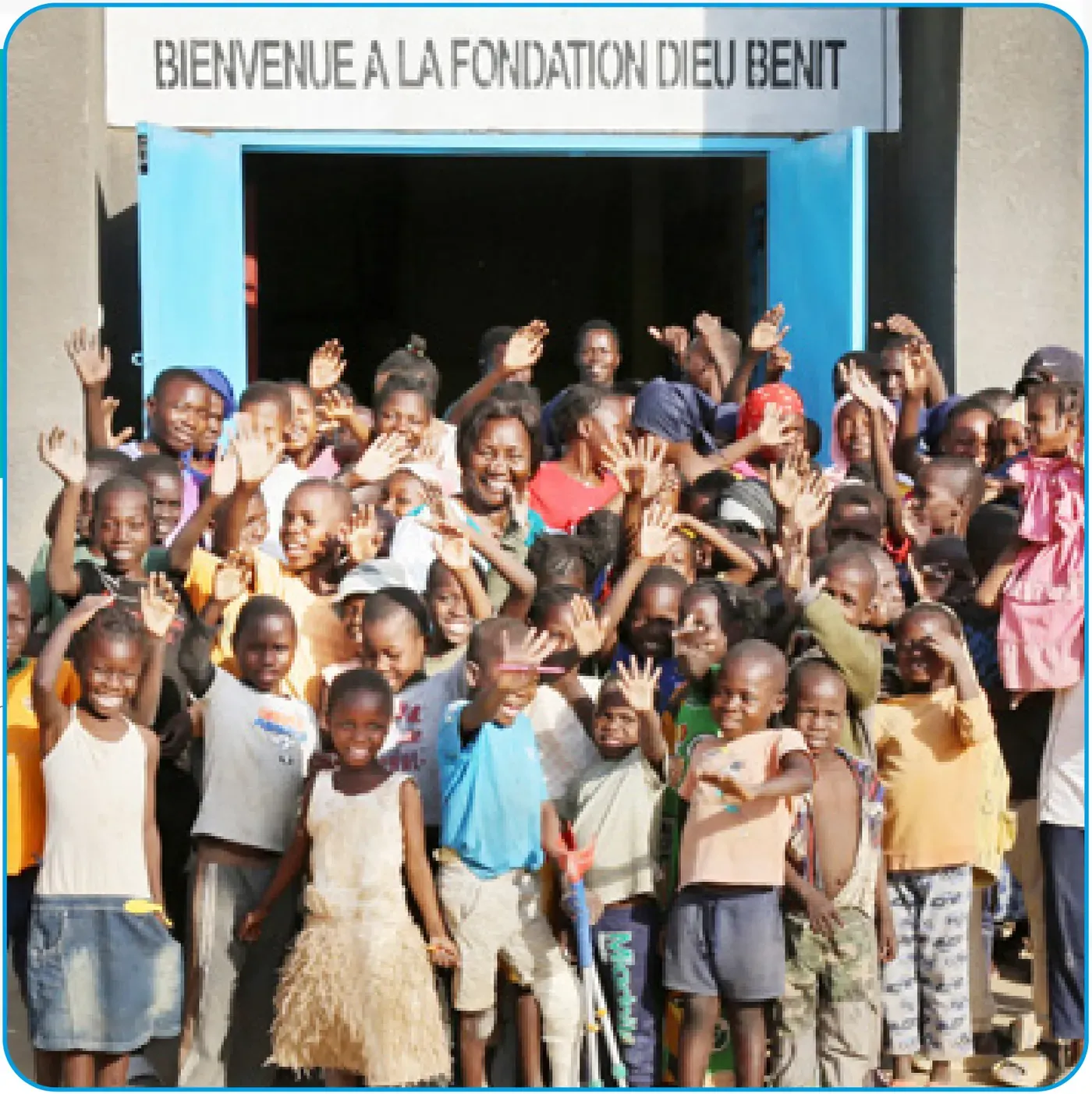
Schiphra Nadjimaïdjé, a woman devoted to her community
National director of the Dieu Bénit Foundation, she has worked for more than twenty years for education, women’s empowerment and orphans.