

Agro-industry: why Chadian output collapsed in the second quarter
While livestock and farming drove growth, Chad's food industry had a dismal quarter. A look back at a dramatic fall and the weaknesses it reveals.
Translated from French. Lire en français
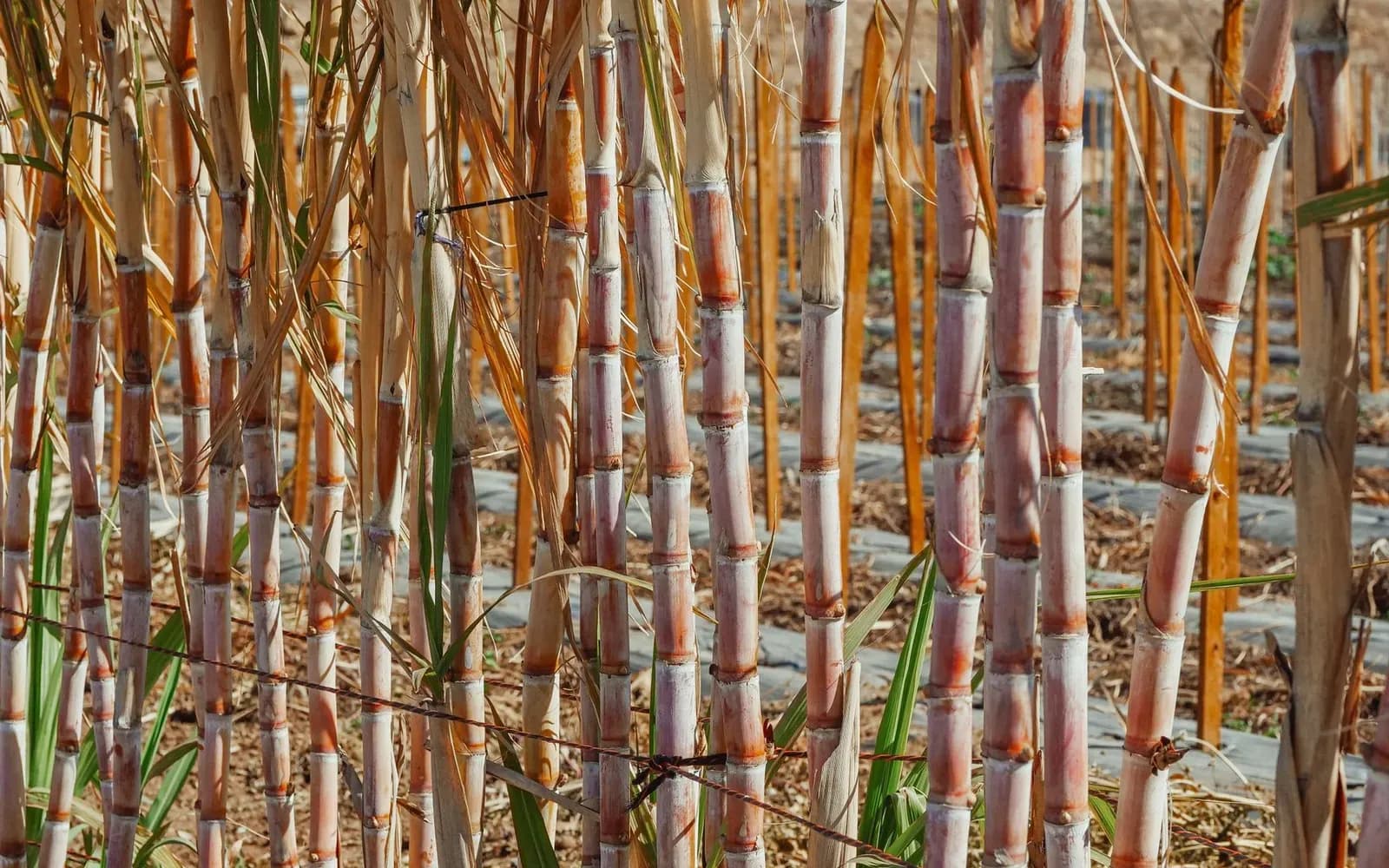
A 67% drop
In its note on the harmonised index of industrial production, INSEED reports a 67% fall in food industry activity in the second quarter of 2026. The main culprit has been identified: sugar production.
Sugar, the weak link
The sugar sector carries great weight in the country's food industry. When it slows, the whole index collapses. Several factors can explain this kind of decline in a sugar sector: the timing of the cane harvesting and crushing season, energy supply problems, the state of equipment, or competition from imported sugar, which is sometimes cheaper.
The precise causes of the decline observed in the second quarter need to be clarified with manufacturers and the authorities, to distinguish a seasonal effect from a structural difficulty.
A Chadian paradox
The decline illustrates a paradox: Chad produces large quantities of agricultural and animal raw materials, but processes little of them. Farming and livestock are growing, while the industry that should add value to them remains fragile and dependent on a few large plants.
What it would take to revive the sector
Manufacturers regularly point to the same needs: reliable and cheaper electricity, access to investment credit, protection against unfair imports and smuggling, and transport infrastructure to move products. The 2027 budget, which emphasises local processing of agricultural and animal production, will test the government's will to remove these obstacles.
Key figures
- Food industry activity in Q2 2026: -67%
- Main cause identified by INSEED: sugar production
- Published on:
- Wednesday, 28 October 2026
Related articles

Visa-free for Africans from 2027: what impact on business in Chad?
From 1 January 2027, anyone holding an African passport will be able to enter Chad without a visa. A strong political decision that opens up prospects for trade, business travel and services.
FIDIT 2025: Chad commits firmly to infrastructure development
Three memorandums of understanding and 27 billion CFA francs from the AfDB: a look back at Chad’s International Infrastructure Development Forum, 18-20 February 2025.