
Economic Partnership Agreements: what now?
Since the 1 October 2014 deadline, non-LDC countries that have not ratified the EPAs lose free access to the European market. The race for survival is on.
Translated from French. Lire en français
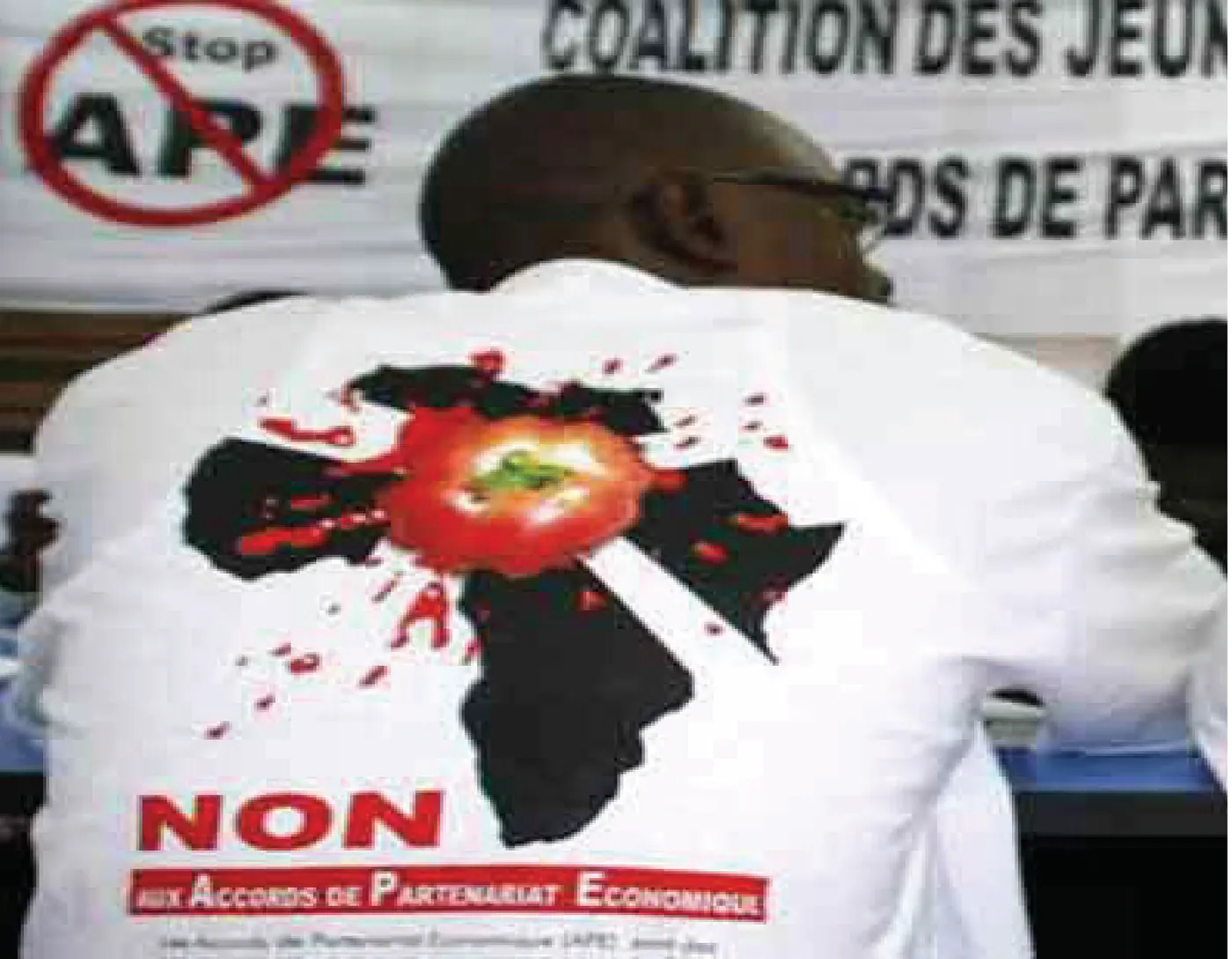
For more than ten years, African countries had been under pressure from the European Union (EU) to sign Economic Partnership Agreements (EPAs), which would eventually guarantee preferential tariffs for European exports to Africa. Until now they had resisted. But since 1 October 2014, the deadline, non-LDC countries (those not classed as least developed) that have not ratified the agreements face losing free access to the European market.
Some have reluctantly accepted, with the immediate task of revitalising their industrial base in the hope of offsetting — through exports to Europe — a trade balance set to run a heavy deficit against European imports. Others have held out, driven by a refusal to give up essential revenue.
Meant to stimulate African development, these agreements barely conceal the threat looming over African economies: being opened up to European products without equivalent reciprocity. Whether individual, within CEMAC (the Central African Economic and Monetary Community), or collective, as in WAEMU (the West African Economic and Monetary Union), the strategies adopted by African countries in the EPA negotiations do not avoid another challenge: their productive sectors must in turn be able to break into a very demanding European market.
Between those who still denounce the entry into force of these agreements and more optimistic voices who believe African industry has market share to win in Europe, the race for survival has begun in Africa — all the more so as trade figures between the two continents reveal an imbalance that is likely to persist if nothing is done.
- Author:
- Laure Wakam Lewe
- Published on:
- Wednesday, 1 October 2014
Related articles

Chad's 2027 budget: a 7.3% growth target, a realistic bet?
President Mahamat Idriss Déby Itno wants to make the 2027 budget a tool for economic transformation. The growth target is ambitious, well above the forecasts of international institutions.

2027 budgets: a two-speed CEMAC
As the 2027 finance bills reach parliaments, the budget choices of CEMAC countries are diverging sharply. Some are tightening their belts, others are betting on spending.
Fuel subsidies: the bill threatening budgets
To hold down pump prices, the six CEMAC countries will spend considerable sums in 2026. The central bank is sounding the alarm over an item that weighs heavily on public finances.

Eurobonds, Nasdaq Dubai, JPMorgan: CEMAC takes on international markets
Governments and institutions in the sub-region are borrowing more and more on international financial markets. These issues bring in welcome foreign currency, but at a high cost and with a refinancing risk to watch.