

September 2014 will go down in ICT history
Thanks to Chad, Africa is already showing it grasps the challenges of the future. But its economic partnership with Europe still has to be well designed.
Translated from French. Lire en français

September 2014 will go down in the history of information and communication technologies (ICT) because, thanks to Chad, Africa is already showing that it grasps the challenges of the future. With the CATI project, Chad will move from being an importer of information to an exporter. It was high time for Africa.
Those of you who read my editorial last August know my views on these matters: “The opinions and interests of all these groups must be heard and taken into account by decision-makers before any decision on strategic alliances for economic cooperation.”
Today, economic partnership has taken precedence over development aid; trade liberalisation has become a global necessity to which almost every country is expected to submit. Free trade can almost certainly contribute to economic growth, prosperity and sustainable development — provided it is well designed and well implemented.
Concerns about future trade relations are voiced in particular by governments and civil society. Since 2010, they have struggled to assess the costs and benefits of the Economic Partnership Agreements (EPAs) for their national economies and strategic growth programmes.
Africa fears it will lose more than it gains, because successful trade liberalisation requires major adjustments to existing economic structures. Given past experience with structural adjustment programmes, a constructive debate was needed on the expected benefits of trade liberalisation on the one hand, and the costs of adjustment on the other.
Over the past 50 years, relations between Europe and Africa have focused mainly on development aid, in the absence of a genuine economic partnership.
- Author:
- Laure Wakam Lewe
- Published on:
- Wednesday, 1 October 2014
Related articles
A post-Covid editorial and digital revival
A new editorial line, a stronger digital presence and wider coverage of the CEMAC zone: Logone Inside is back, paying tribute to 30 exceptional Chadian women.

Total opens new service stations
With three new stations in Hamama, Bongor and Ndjari, Total Marketing Chad brings its network to 12 stations, with 16 targeted by year-end.
Chad: emergence via the information superhighway
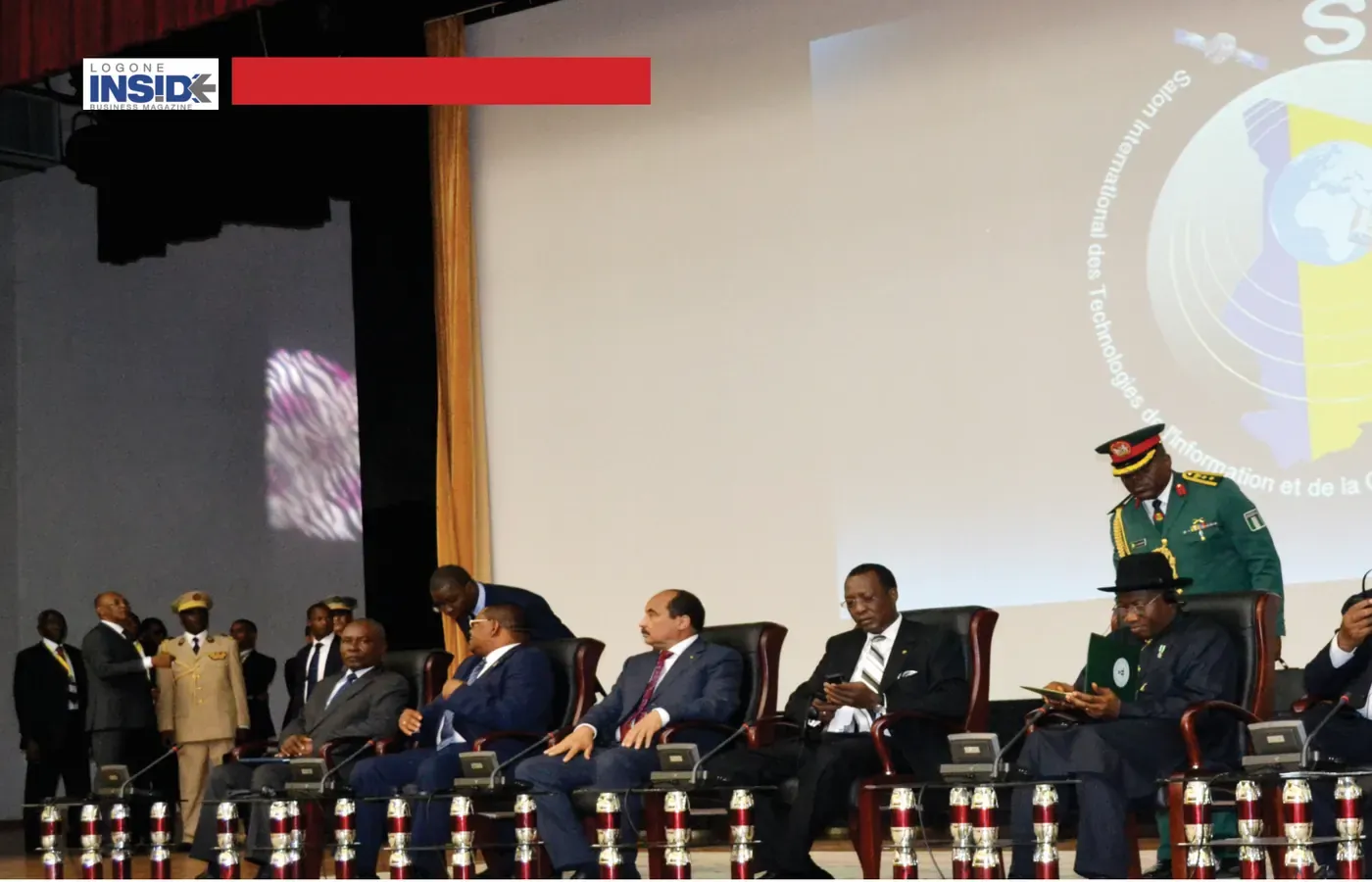
The first International ICT Fair (SITIC), held in N’Djamena from 9 to 12 September 2014, brought together many heads of state and international institutions.

The qualities of a good leader according to Marshall
General George C. Marshall had a very clear idea of what he looked for in officers. His seemingly ordinary list deserves a closer look.